

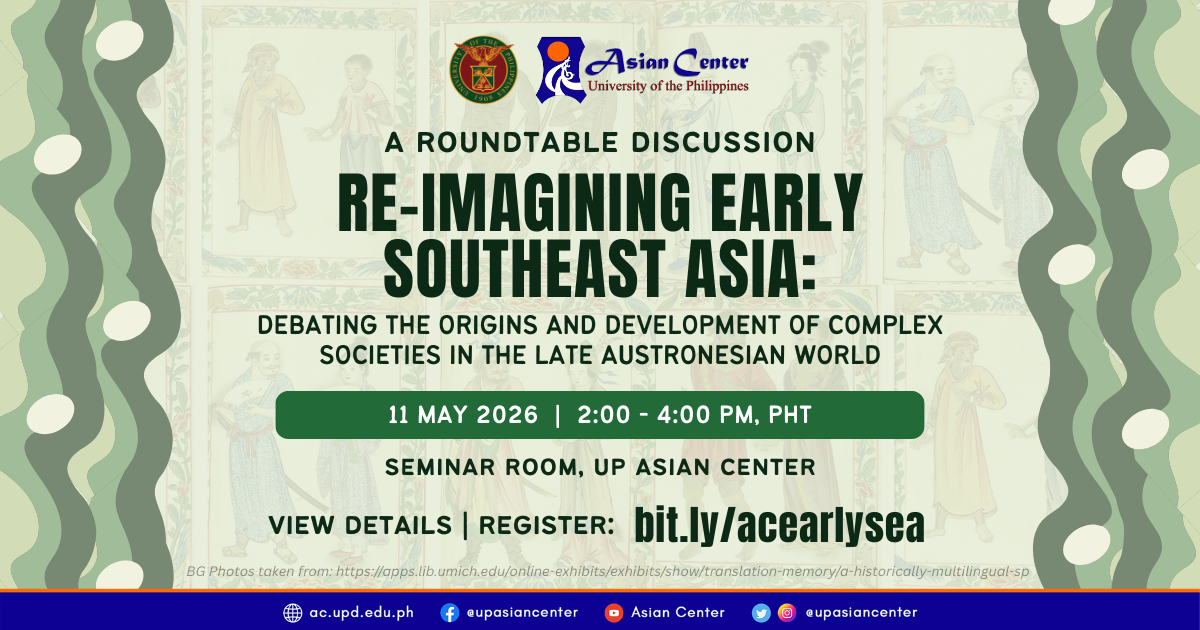
The UP Asian Center, led by the AS 254 Class, will be holding the onsite Roundtable Discussion, "Re-imagining Early Southeast Asia: Debating the Origins and Development of Complex Societies in the Late Austronesian World," on 11 May 2026, 2:00 PM (GMT+8), at the Seminar Room, Asian Center, UP Diliman. The event is open to the public. Attendees are encouraged to register online.
ABOUT THE ROUNDTABLE
This roundtable discussion revisits the frequently invoked–yet largely understudied–pre-colonial, pre-Islamic/pre-Christian polity-formation in maritime Southeast Asia (present-day Philippines, Indonesia, and Malaysia). It focuses on the period approximately c. 1200-1600 CE hitherto referred to as the “late Austronesian world” when many of island Southeast Asian societies were gradually and variably influenced by external cultural and political influences that re-shaped the deeper, Austronesian cultural foundations of these societies. This roundtable discussion brings together the findings of the course carried out under the same title and highlights specific primary source-based case studies that reveal what could be distinct and persistent “Austronesian” elements in maritime Southeast Asian societies. By doing so, this roundtable discussion is intended to stimulate further discussion on the value of cross-regional and comparative historical archaeology, pre-colonial history and historiography, and the compatibility of existing theories of polity-formation in Southeast Asia to the Philippine experience.
ABOUT THE SPEAKER
"Debating the Origins and Development of Complex Societies in the Late Austronesian World"
IAN CALDWELL
Fellow, The Royal Historical Society

Dr. Ian Caldwell is a philologist and historian who researches the early Bugis and Makasar kingdoms in South Sulawesi, Indonesia. He holds diplomas from SOAS, the ANU and Satya Wacana Christian University and has taught at the National University of Singapore, the University of Hull, the University of Leeds, and the Instituto Universitario Orientale in Naples. He is a Fellow of the Royal Historical Society and a member of the UK’s Free Speech Union.
ABOUT THE PRESENTATIONS
"Srivijayan Inscriptions: Social Complexities in Late Austronesian South Sumatran Societies"
MANDEEP B. KAUR
MA Asian Studies (Southeast Asia), UP Asian Center
"The Austronesian World at the Eve of Conversion"
RONA R. REPANCOL
Ph.D. in Archaeology, UP School of Archaeology
"Manuel Pinto’s Letter: Using the OXIS Model in Understanding the Austronesian Polity"
JAYSON E. LAZARTE
MA Education, UP College of Education
"Revisiting Pre-Colonial Visayan Societies"
KIM VINCENT D. TUMALA
M Asian Studies (Southeast Asia), UP Asian Center
ABOUT THE REACTORS
TIMOTHY JAMES VITALES
Archaeologist and Senior Museum Researcher, National Museum of the Philippines
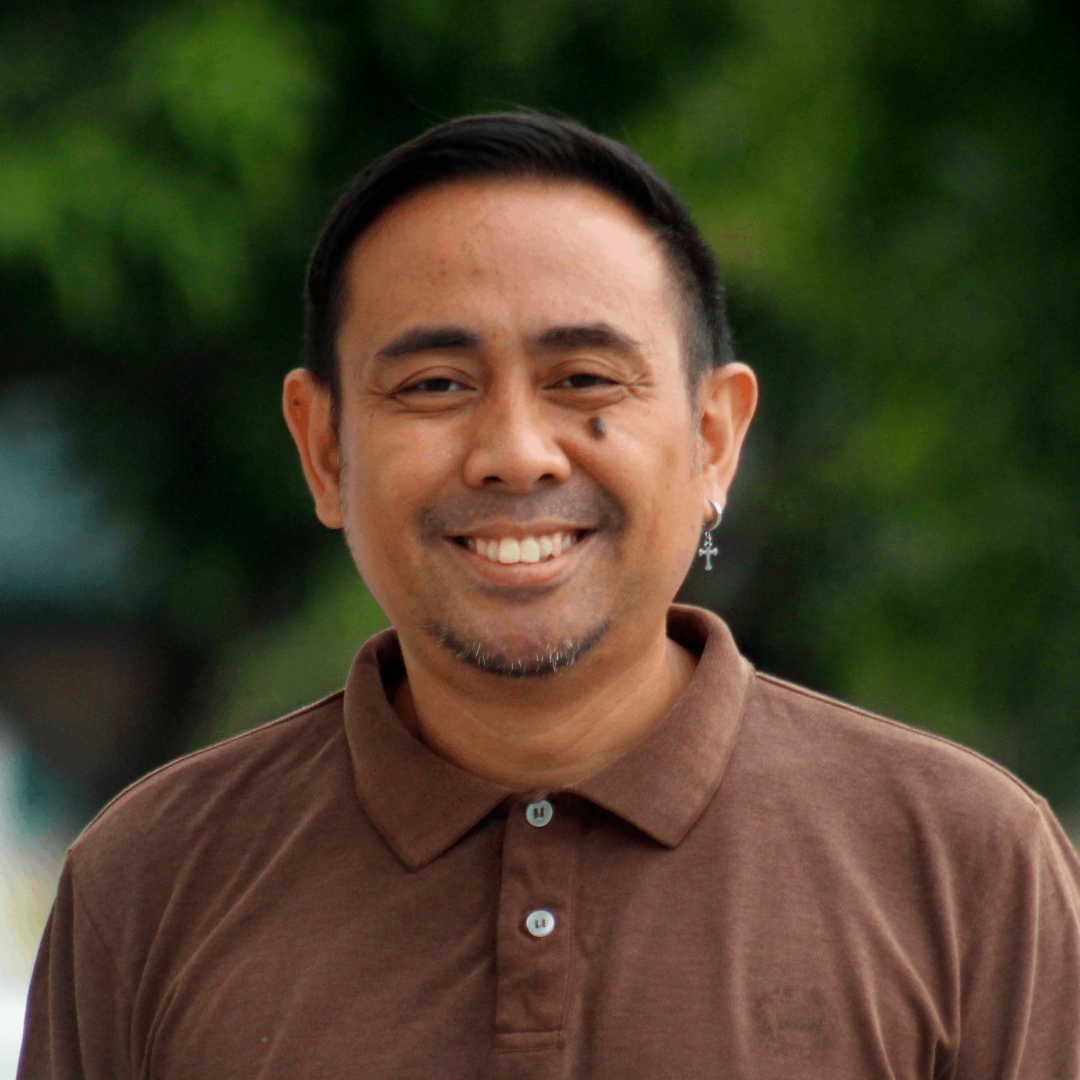
Taj Vitales is a Filipino archaeologist and a senior museum researcher at the National Museum of the Philippines. He earned his bachelor's degree in anthropology and master's in archaeology at the University of the Philippines Diliman. He is also currently earning his Ph.D. in archaeology at the same university. Vitales has participated in and led archaeological excavations in several areas of the Philippines. His research interests include the emergence and transformations of early societies, population movements, and early cultural and maritime networks. His National Geographic Society-funded project "Searching for the Land of Ma-i" explores the early evidence of maritime trading societies around the largest lake in the Philippines, the Laguna de Bay, and how they transformed into prominent centers in the past.
MICHELLE S. EUSEBIO, Ph.D.
Associate Professor, UP School of Archaeology
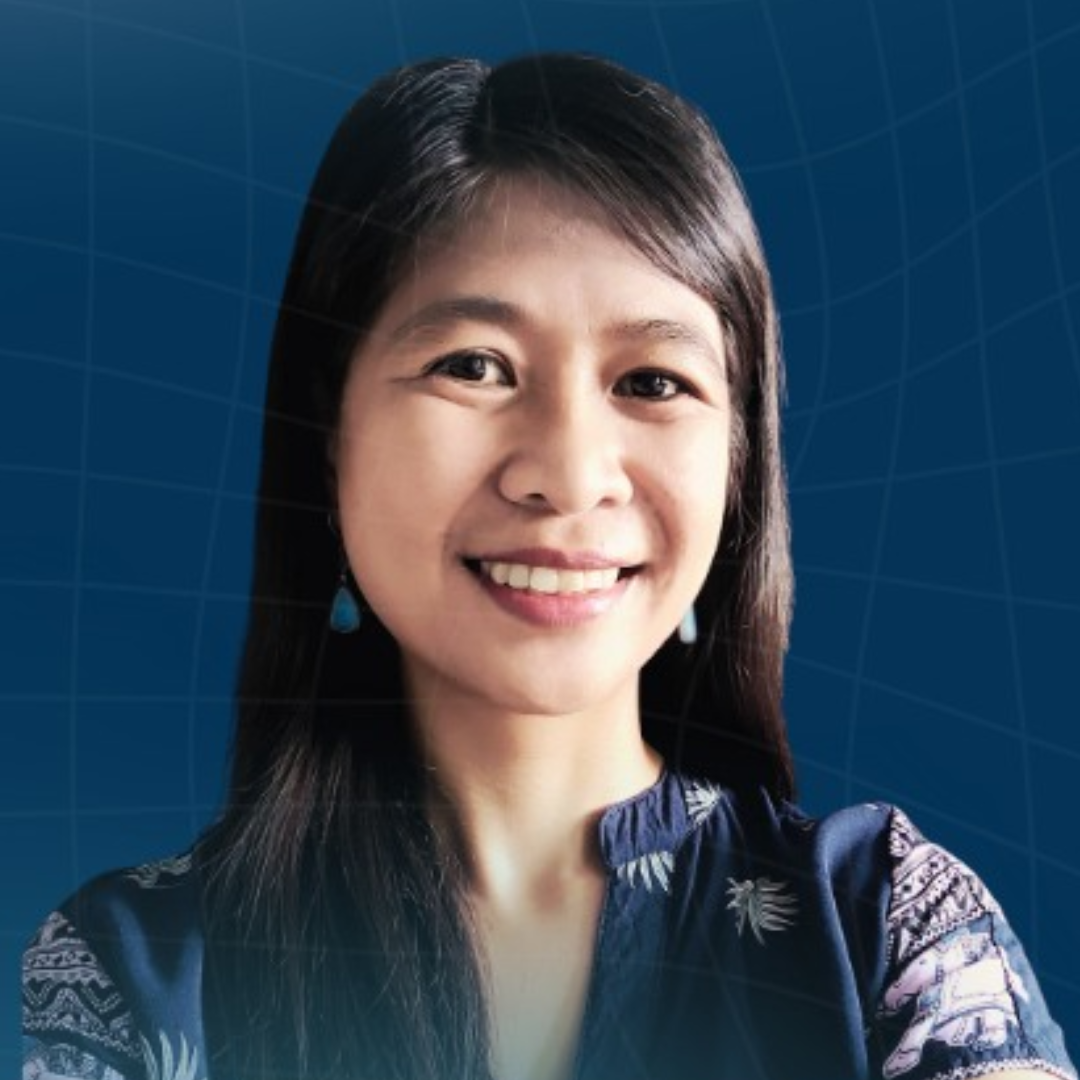
Dr. Michelle Eusebio is a chemist, archaeologist, and a faculty member at the School of Archaeology, University of the Philippines. She earned a PhD in Anthropology (Archaeology emphasis) from the University of Florida, MS in Archaeology from the UP Archaeological Studies Program (now the School of Archaeology), and BS in Chemistry from the UP Institute of Chemistry. Among her research interests are food and foodways, ceramics analysis, Southeast Asian archaeology, archaeological chemistry (specifically biomolecular archaeology), making archaeology relevant to contemporary concerns, integration of archaeological science and theory in research, as well as history of science and technology from archaeological point of view.
ABOUT THE ORGANIZERS
This onsite roundtable discussion is organized by the AS 254 Class of the Asian Center, UP Diliman.
For inquiries, please contact us at This email address is being protected from spambots. You need JavaScript enabled to view it. or call 891-8500 loc. 3586.